

or call 020 7404 3400

or call 020 7404 3400
Or call 020 7404 3400

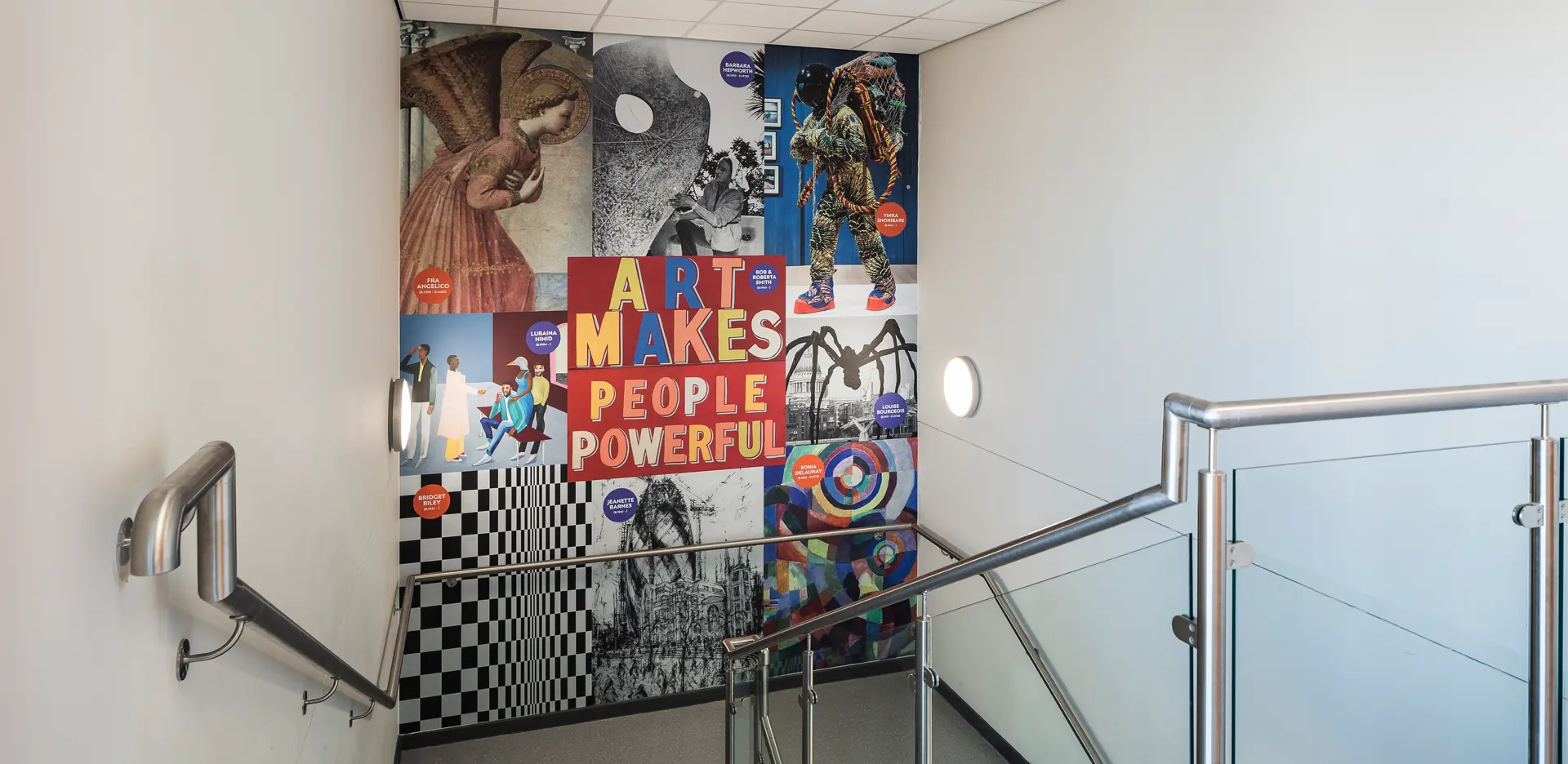

Evidence shows that engaging creatively supports engagement, motivation, emotional well-being, collaboration, and real-world skills. These matter for learners, now, and in the future. Whether it’s through subjects such as art, drama, music, dance, poetry, writing, or design & technology, creativity is more than enrichment. However, within a complex landscape of competing priorities, creativity often receives too little strategic focus in schools.
Indeed, the UK government made an announcement earlier this year about creative education that highlights plans to expand access to high-quality arts education. It will also support broader creative opportunities in schools. As part of a wider plan to ensure every child can thrive, this initiative includes a National Centre for Arts and Music Education. The Centre will promote creative learning opportunities for all pupils.
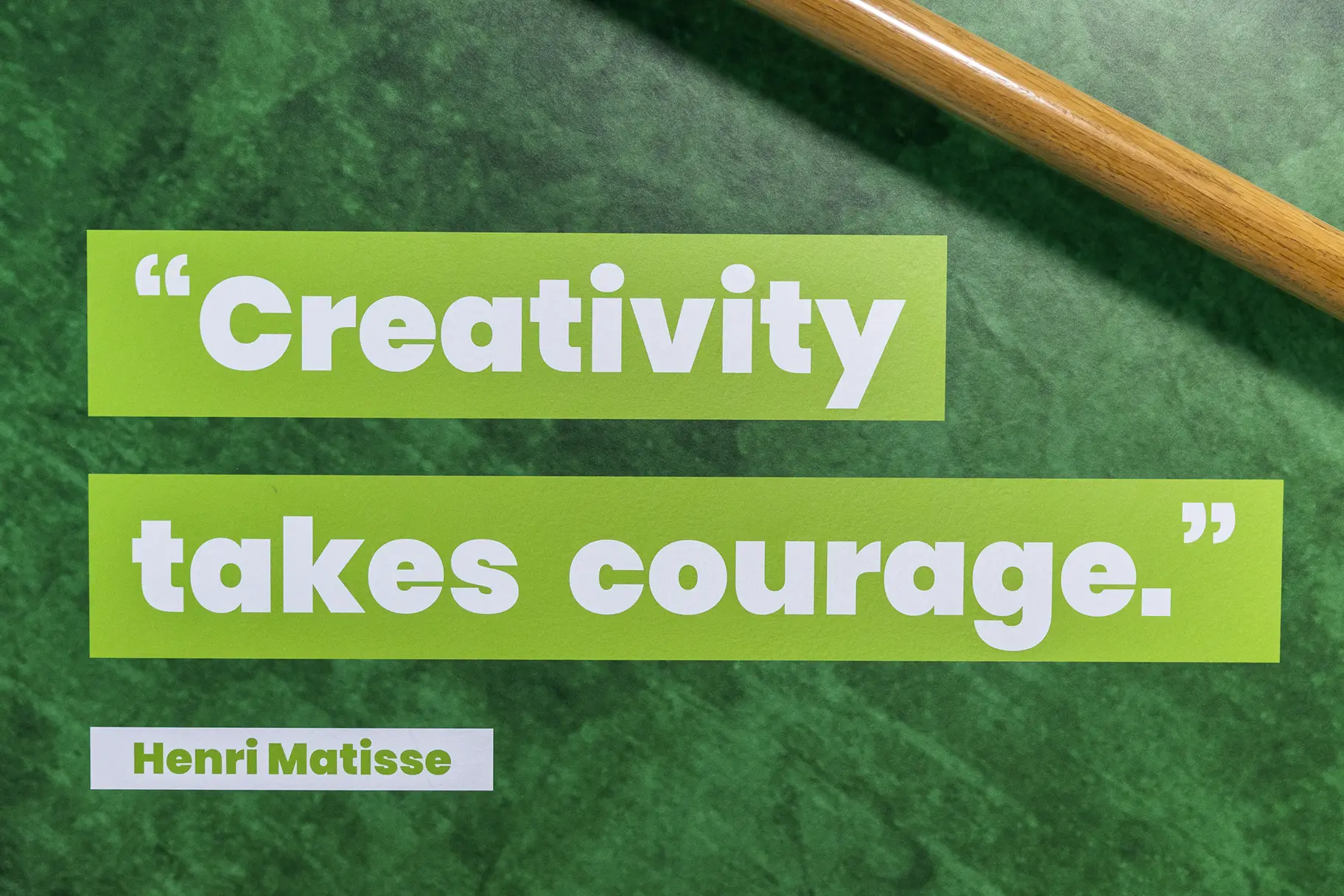
These plans are complemented by major curriculum reforms announced in late 2025. The reforms seek to put creative subjects back at the heart of education and ensure pupils have access to arts experiences alongside core literacy and numeracy.
As creatives ourselves, we welcome this strong focus on creativity and appreciate it being prioritised. We are excited to support schools in focusing on creativity in their learning environments and help realise the positive outcomes it delivers for learners.
We live in a time when creative subjects have faced challenges like significant declines in provision and take-up over recent years. But the visual environment has remained a constant, visible signal that creativity matters.
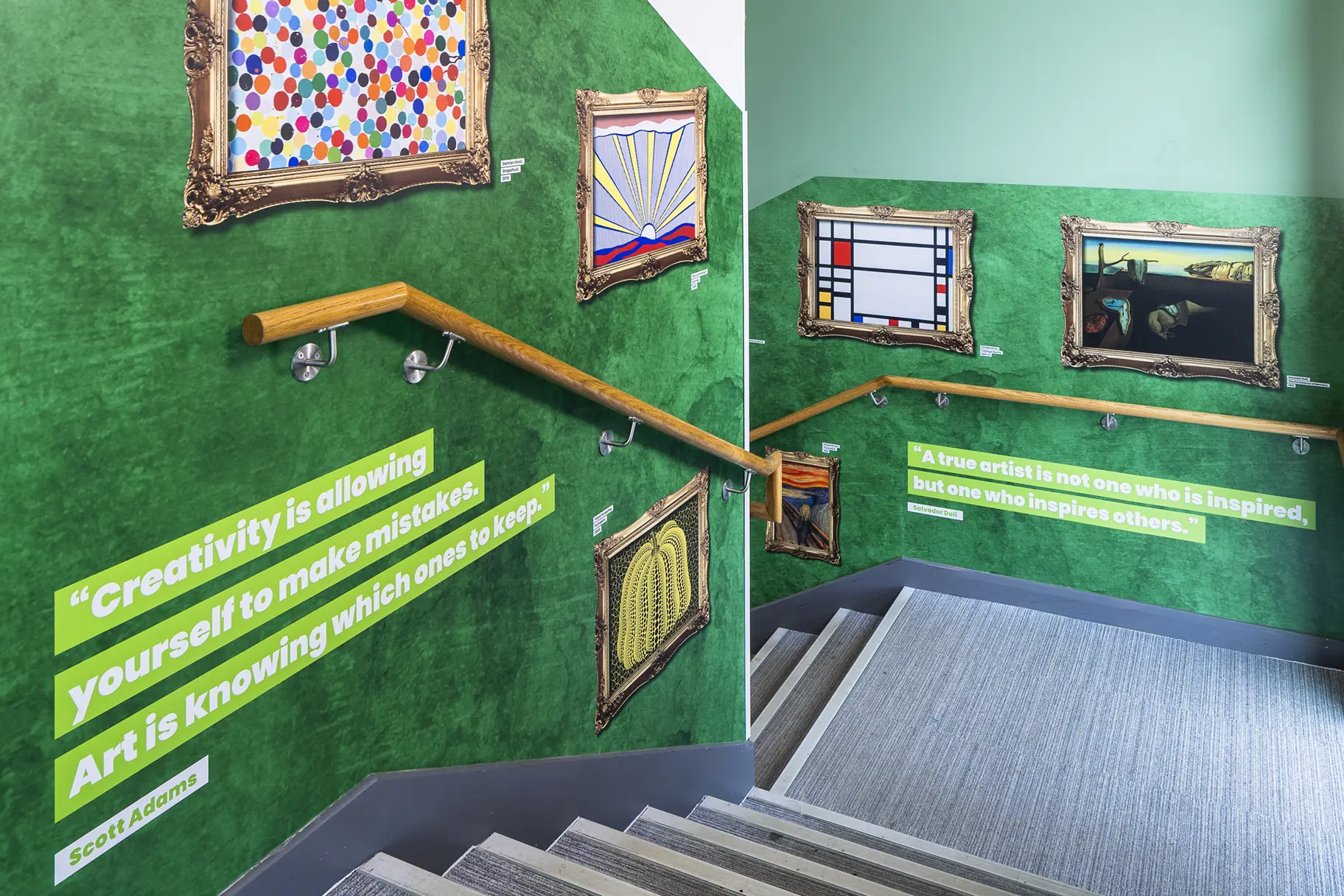
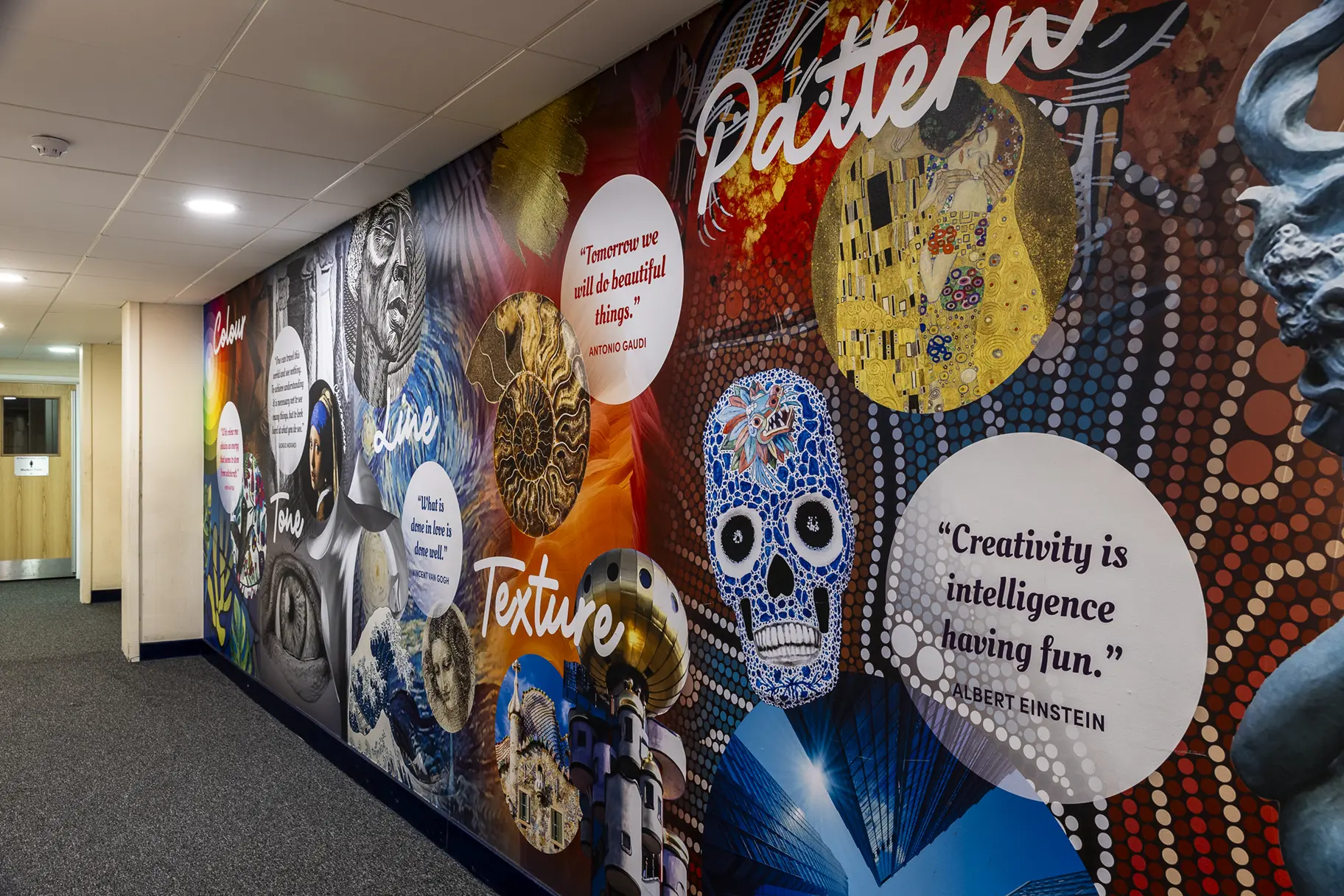
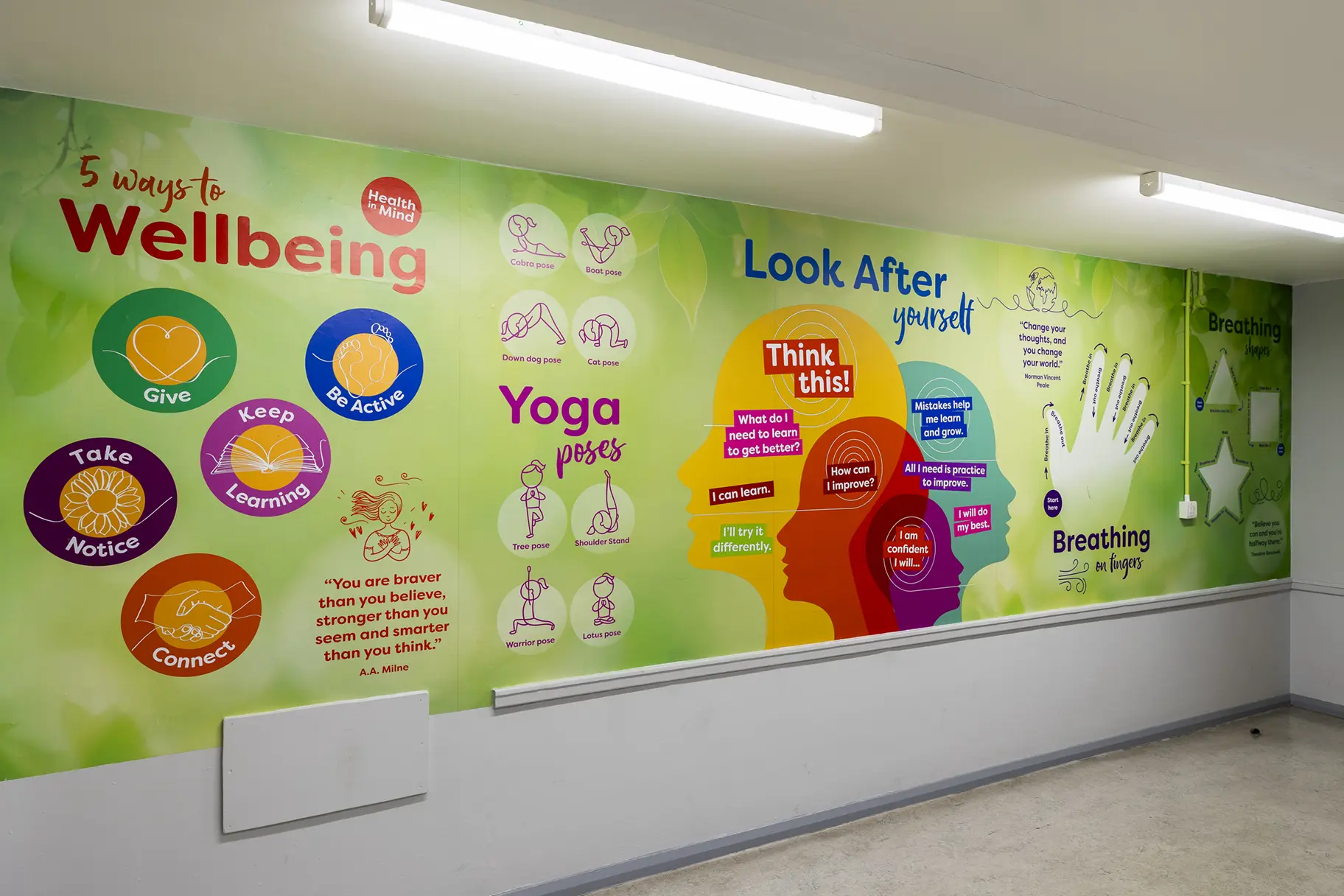
Creative engagement goes beyond skills development. It also supports wellbeing and belonging. Evidence summarised by the National Centre for Creative Health shows that participation in creative activities can reduce anxiety and support resilience and social connection in young people.
Research from the Creative Industries Policy and Evidence Centre found that schools have seen high levels of disruption in creative subject teaching. This is a result of the pandemic; the effects of which are still lasting. Their research also highlighted key feedback from young people themselves:
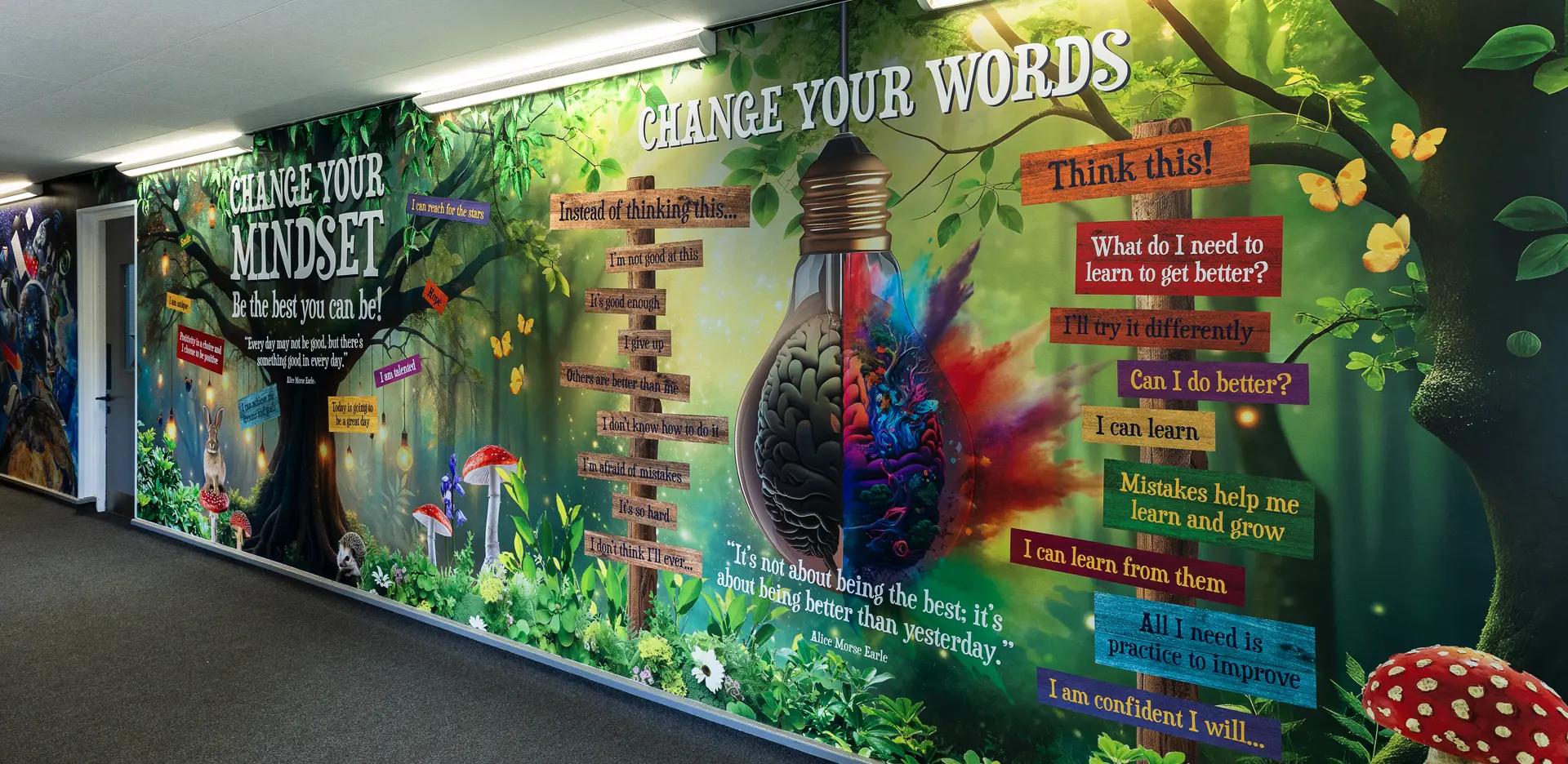
Broader research also shows that a learning environment — including the physical setting — directly influences learners’ motivation, creativity, and wellbeing. Environmental factors such as space, materials, and ambience all play a role too. (Dr William Lockett)
Creativity thrives in environments that foster curiosity, wonder, and engagement. For decision-makers, the visual environment of a school (corridors, libraries, communal areas) plays a strategic role in shaping culture.
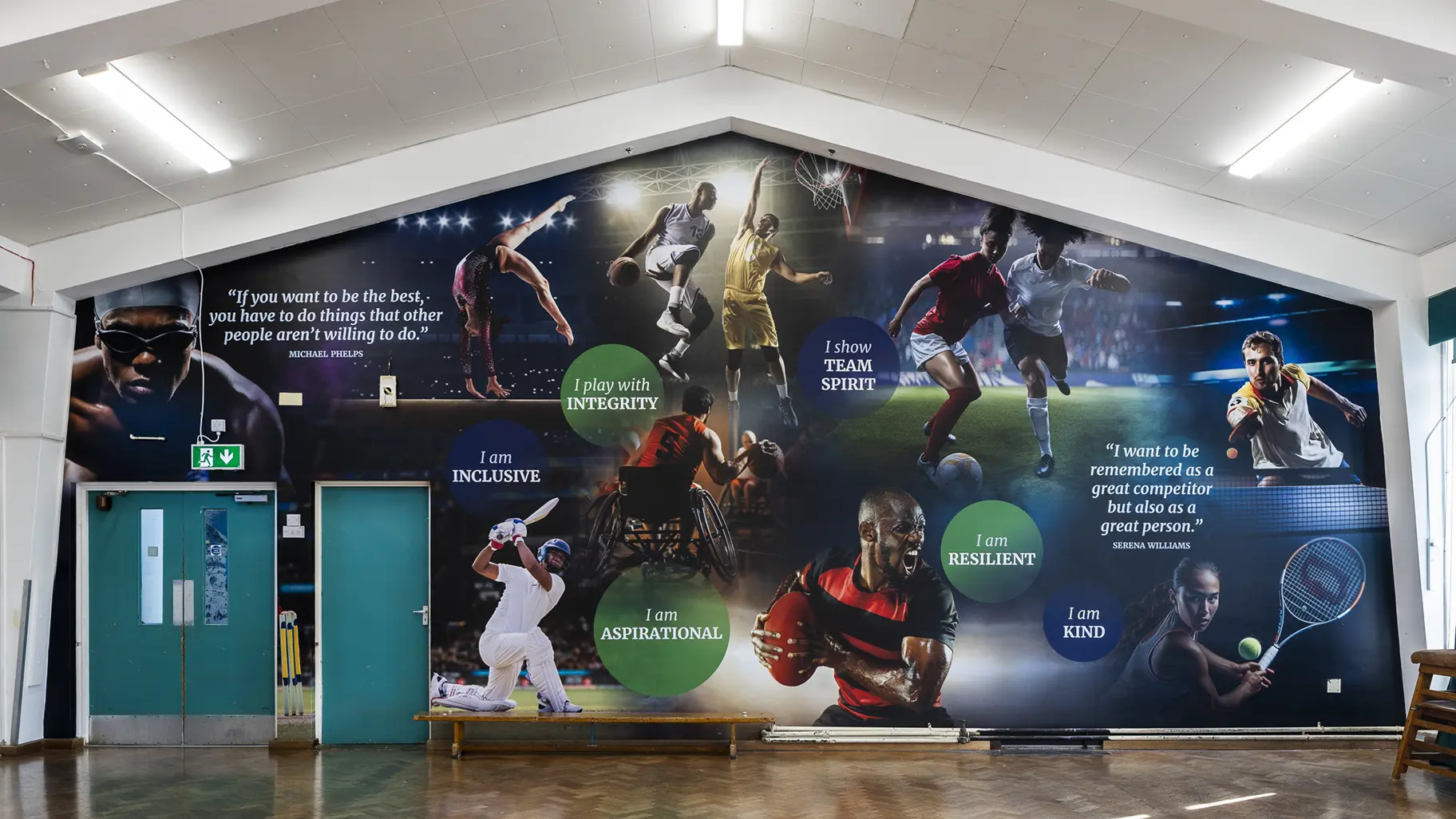
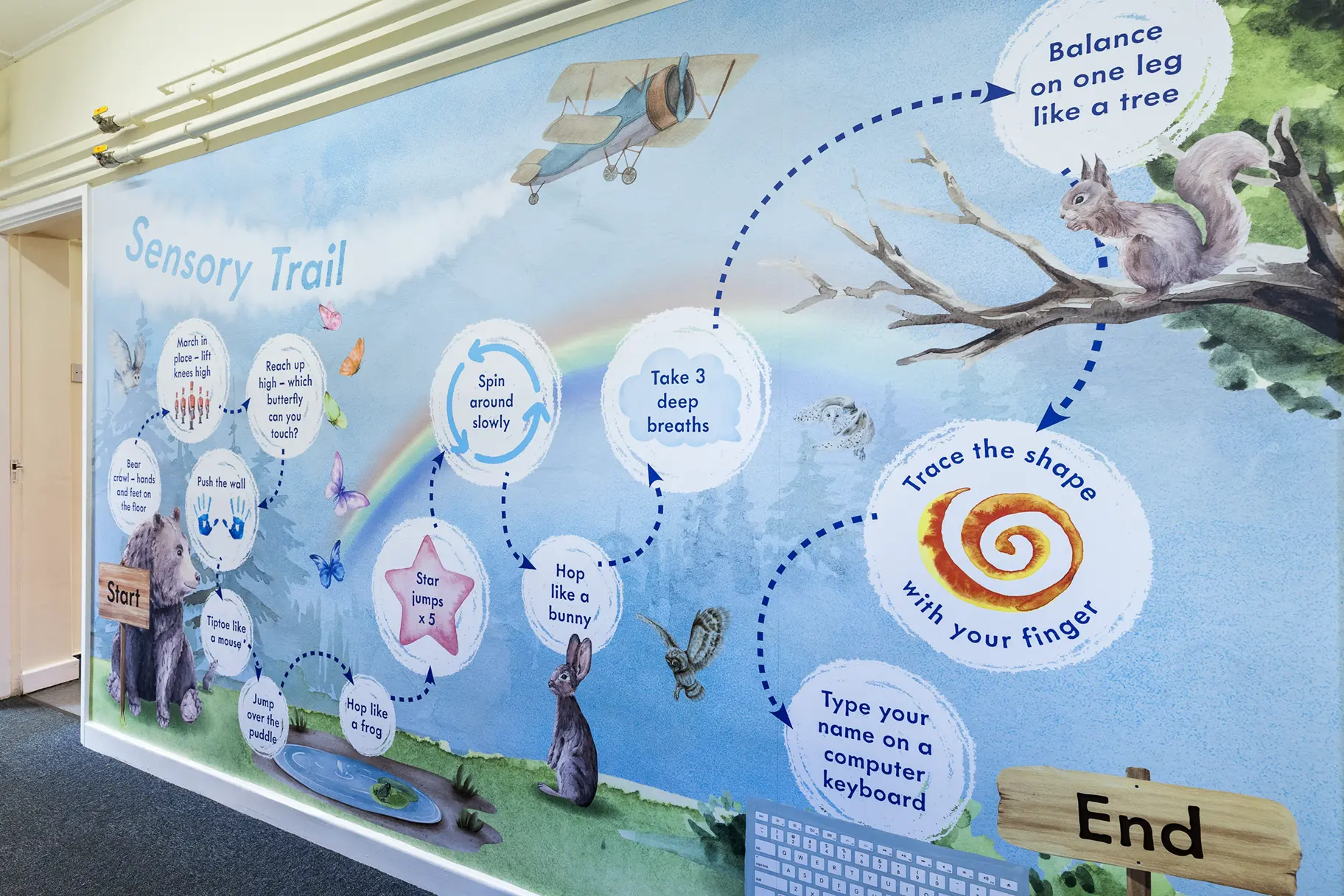
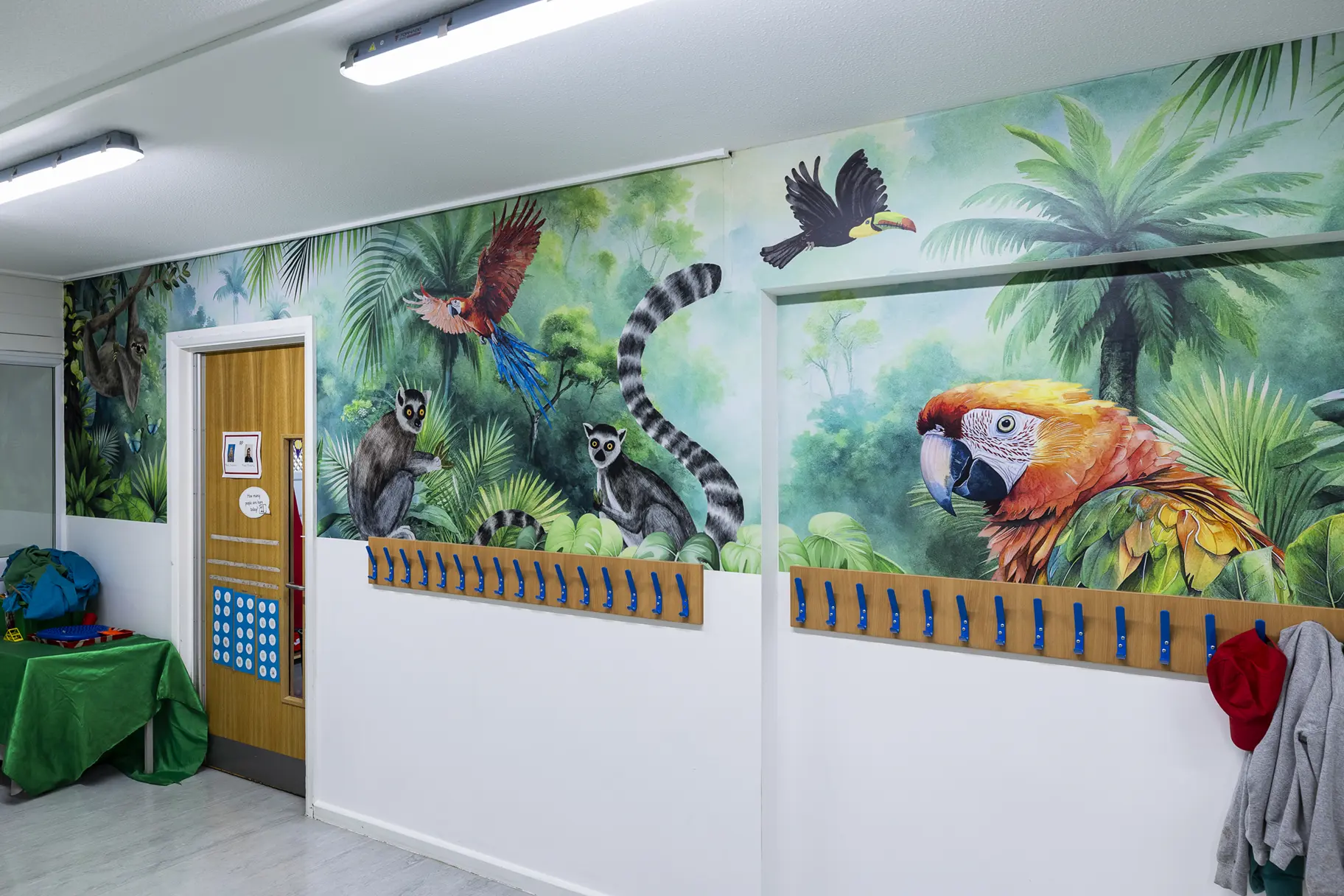
Thoughtful visual design and bespoke Wall Art does more than decorate spaces; it can:
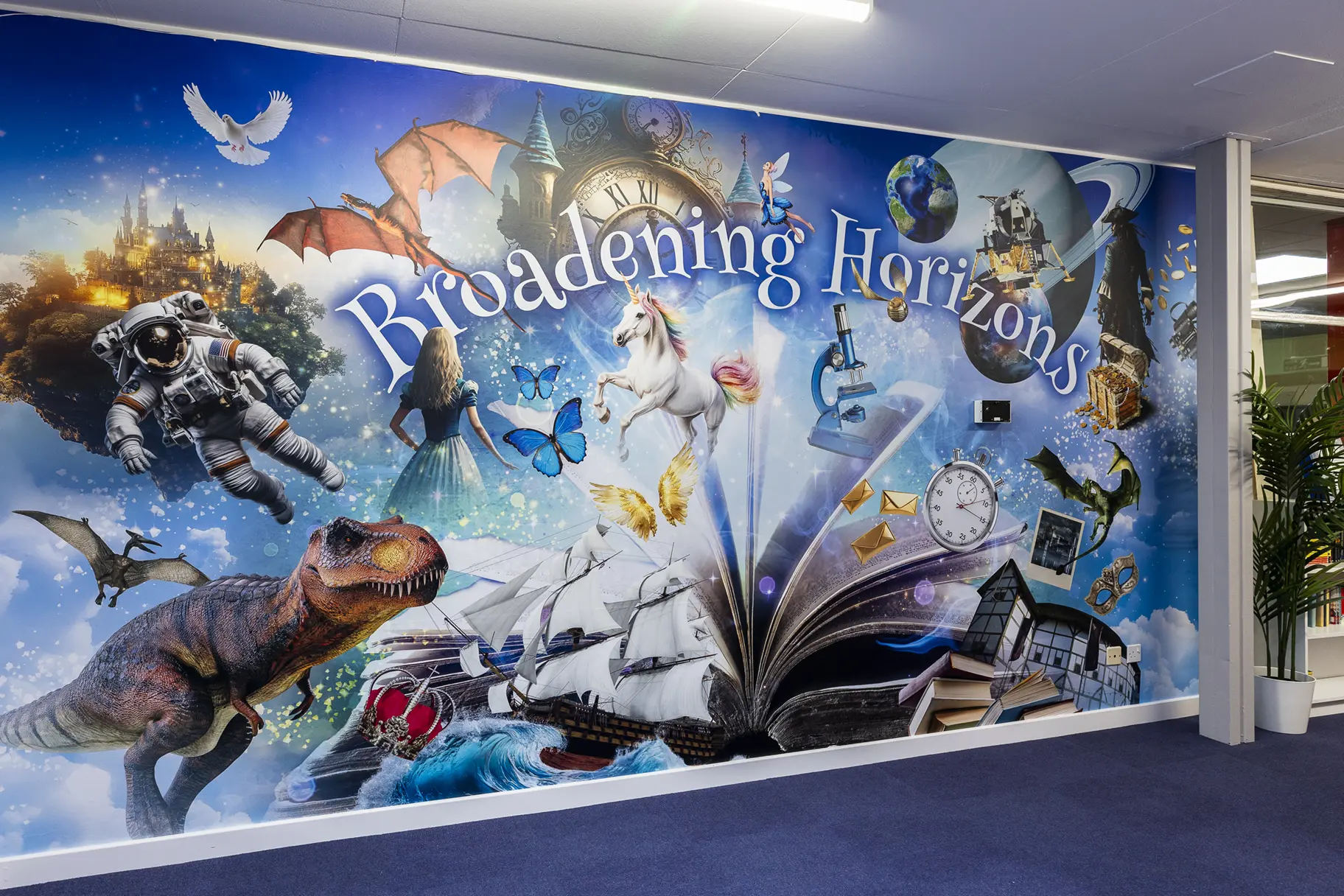
As schools plan for the year ahead, the most forward-thinking leaders are asking themselves:
Visually creative environments are not about decoration — they are about leadership, culture, and outcomes.
When learning environments are intentionally designed:
Crucially, this happens without increasing teaching workload or timetable pressure.

For decision makers focused on vision and culture, practical steps can include:
Design spaces that reflect ambition: Corridors, libraries, and communal areas should communicate curiosity, ambition, and community. Bespoke Wall Art is a powerful way to make that visible.
Embed creativity in school identity: Ensure the visual environment celebrates creative subjects and achievements as part of a wider commitment to learner development.
Listen to learners: Involve students in expressing what inspires them — visuals that reflect their voice amplify belonging and pride.
Partner with the creative ecosystem: Working with creative experts and cultural organisations can enrich your school’s identity and community engagement.
Align environment with school values: The story your school tells from the moment someone walks through the door and throughout matters. The visual environment should reflect strategic priorities and values.
Wall Art, aligned with curriculum vision and school ethos, becomes a long-term asset with lasting impact rather than a short-term spend on a one-off initiative. It signals confidence in creativity and demonstrates a leadership commitment to learners that resonates with students, staff, families, governors, inspectors, and the wider community.

2026 presents an opportunity to make creativity visible and purposeful across schools, reinforcing strategic priorities through space and design as much as through policy and planning.
For leaders and governors, investing in Wall Art and purposeful visual environments is a way of embodying your commitment to creativity, wellbeing, and learner engagement. It’s a stride toward creating learning environments that reflect ambition, inspire daily, and resonate long after the classroom door closes. So join us in making 2026 the Year of Creativity at your school.
We’ll visit your school to understand your goals, explain our process and provide you with a no-obligation quote.