


or call 020 7404 3400

or call 020 7404 3400
Or call 020 7404 3400

As a teacher of many years I have seen so many new directives, ideas, ways of thinking and approaches to excellent provision and teaching. Some I have loved, some I have despised.

As schools, you are constantly teaching children how to be e-safe, just as you are teaching them to play safely outside, cook safely and behave safely around each other and in public. Is the hard work that you do regarding e-safety clear to parents, prospective parents and Ofsted?

Before the end of term there was much speculation over changes to the Statutory Regulations for what should appear on a school website. Over the summer we have been keeping a beady eye on any changes.

The Counter Terrorism and Security Act 2015 places a duty of care on schools to prevent people being drawn into terrorism as part of their safeguarding duties. This statutory duty came into effect on today and places responsibilities with schools to stop people becoming terrorists or supporting terrorism.

Most of us are familiar with Ofsted taking a peak at a school’s website ahead of inspections. It can help them form a good first impression and get a feel for the lifeblood of a school. But often too, Ofsted are checking that key information that should be there is there, and have certain ‘hot topics’ where brownie points may be issued if they’re seen to be included.

With over 67% of all searches now made from a mobile device, Google has announced that from April 21st 2015 it will favour in the search results mobile friendly websites over websites that are not responsive to mobile devices.
We'll visit your school to understand your goals, explain our process and provide you with a no-obligation quote.
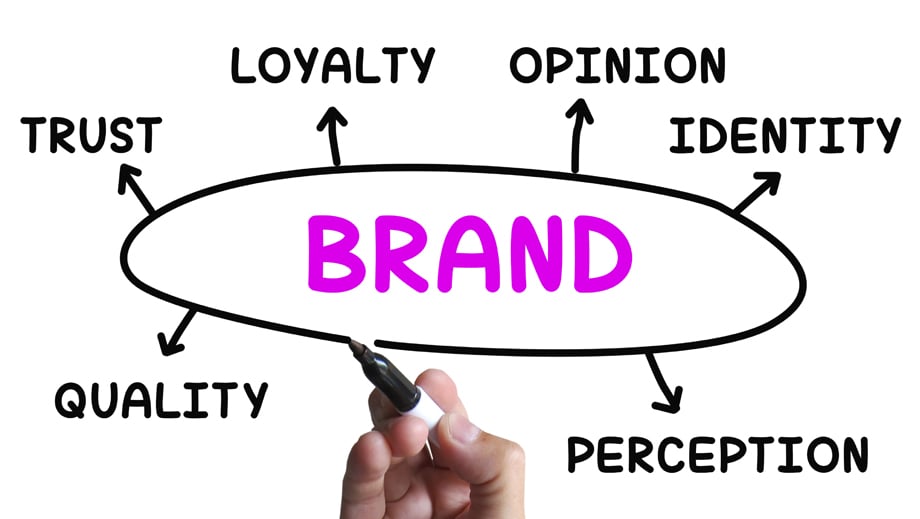
A strong brand helps you make an impact each and every time a parent, pupil or stakeholder makes contact with your school. A strong brand can give you a competitive advantage when trying to get the attention of prospective parents.
We’ve put together 5 simple tips to help you create a more effective website.

